What a Gemba Walk taught me about sustaining EECC
By Dr Karima Khalid
Co-founder, EECC Global
One of the questions I am often asked is: "How do you know whether EECC is really making a difference?"
The data matter. They tell us whether patient outcomes are improving and whether implementation is having an impact. But sometimes the most valuable insights come from leaving the office, going to the wards and speaking to people.
In healthcare improvement, this is known as a Gemba Walk: visiting the place where care is delivered to understand what is really happening, to listen to the people doing the work and to learn from their experiences.
That was the purpose of my recent visit to Vwawa District Hospital in Tanzania, one of the EECC centres established through the EECC in Tanzania programme.
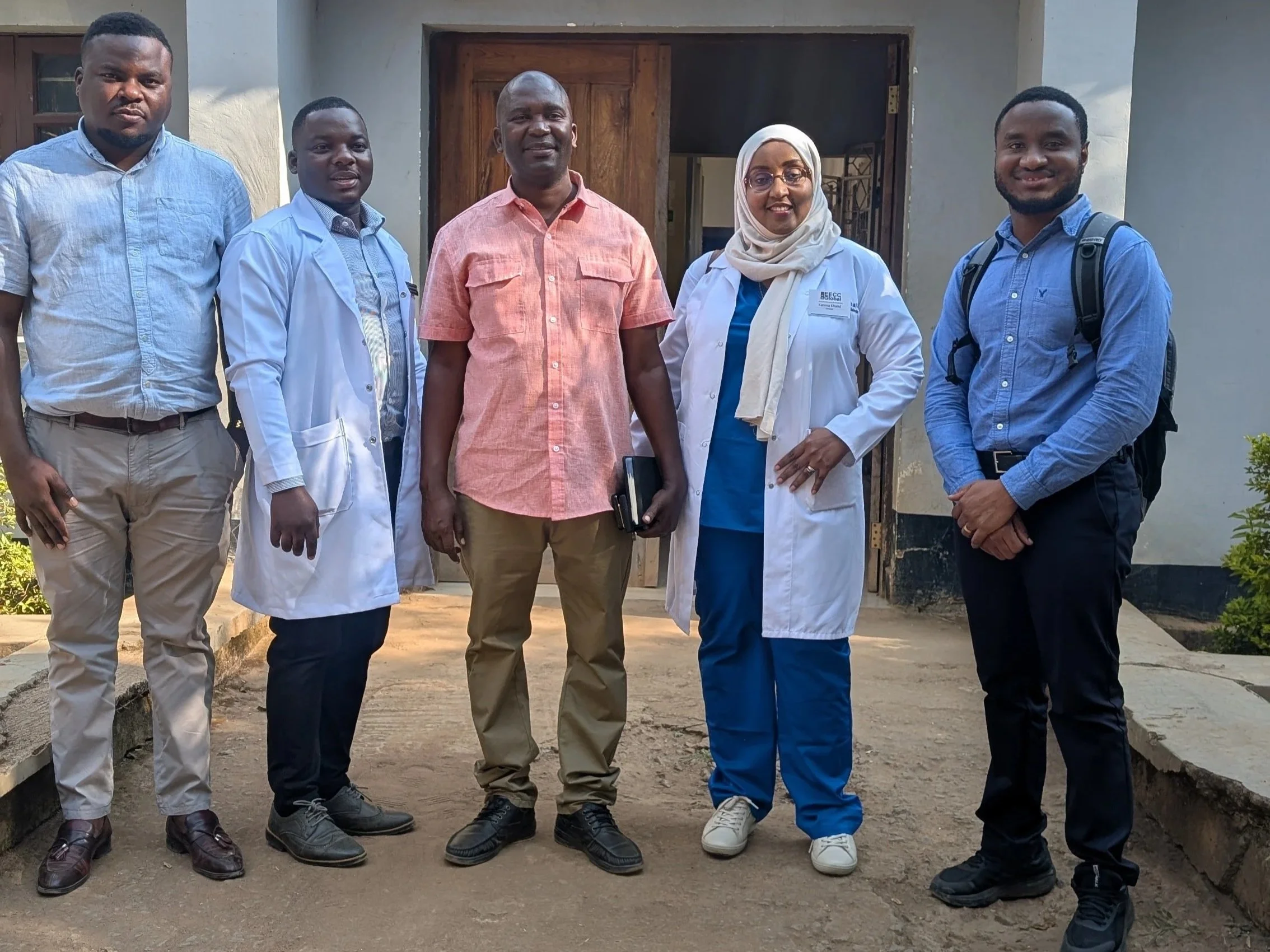
I wasn't there to inspect or audit. I went to thank the staff, hear their stories and understand how EECC was continuing after the implementation programme had finished.
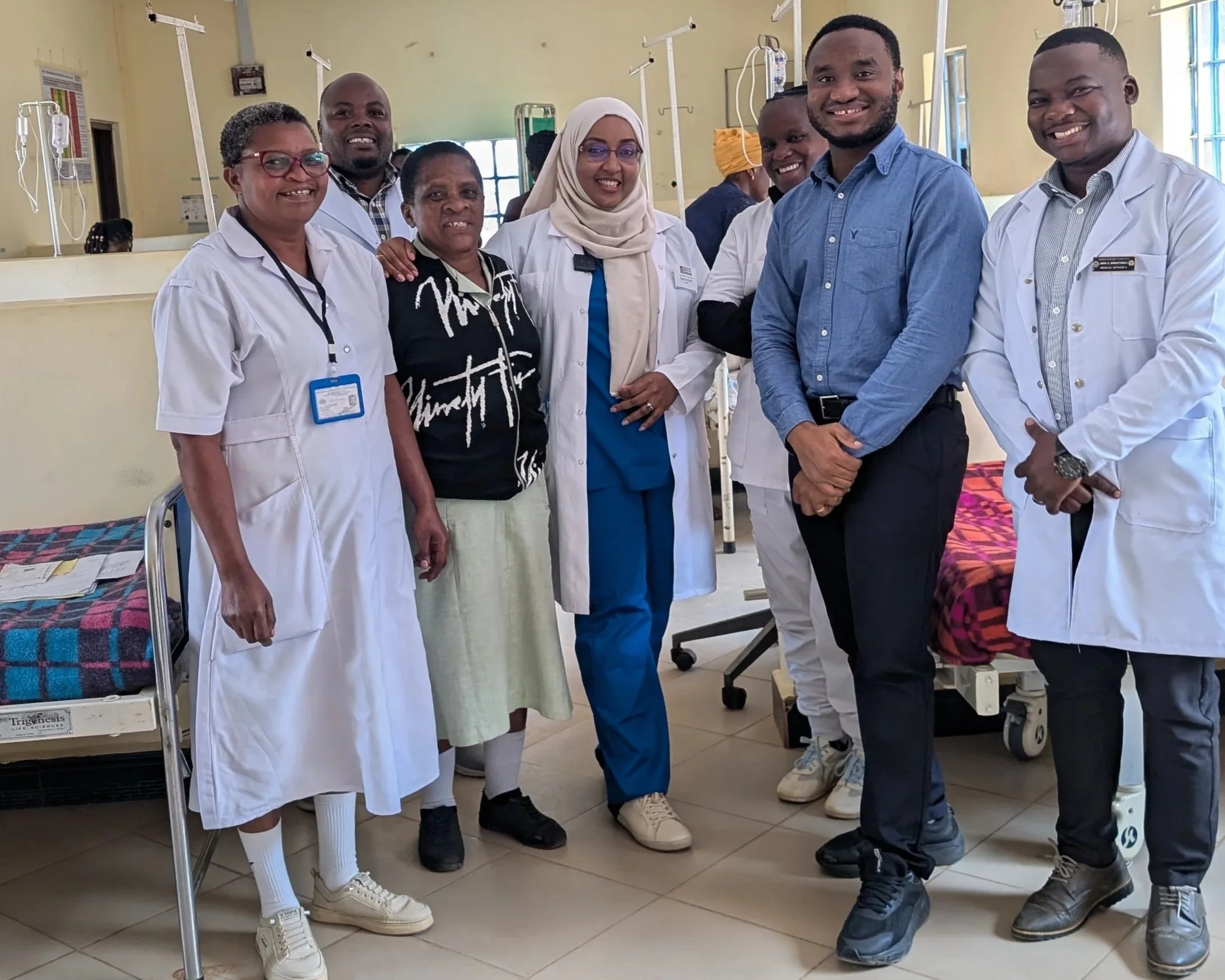
The first thing I noticed was that EECC wasn't hidden away in manuals or training folders. The triage charts were on the walls, the EECC handbooks were within reach and staff referred to them naturally as part of their daily work. One nurse smiled as she explained, "You do not need to rely on memory. If you forget, you go back to what you have."
As I walked through the hospital, I heard story after story of healthcare workers recognising critical illness earlier, working together more effectively and feeling more confident to act. A nurse in the outpatient department demonstrated how patients with signs of critical illness are now identified and prioritised immediately. On the maternity ward, staff described how EECC has improved the way teams organise themselves during emergencies, with clear roles and faster responses.
The maternity team showed me a simple box they had created themselves. Every month, staff nominate a colleague who has demonstrated outstanding EECC practice, celebrating those who have provided excellent care for critically ill mothers. Nobody had asked them to do this. It was their own idea. That moment really stayed with me.
Because when people begin adapting and improving a programme themselves, it is no longer someone else's project. It has become part of their own way of working.
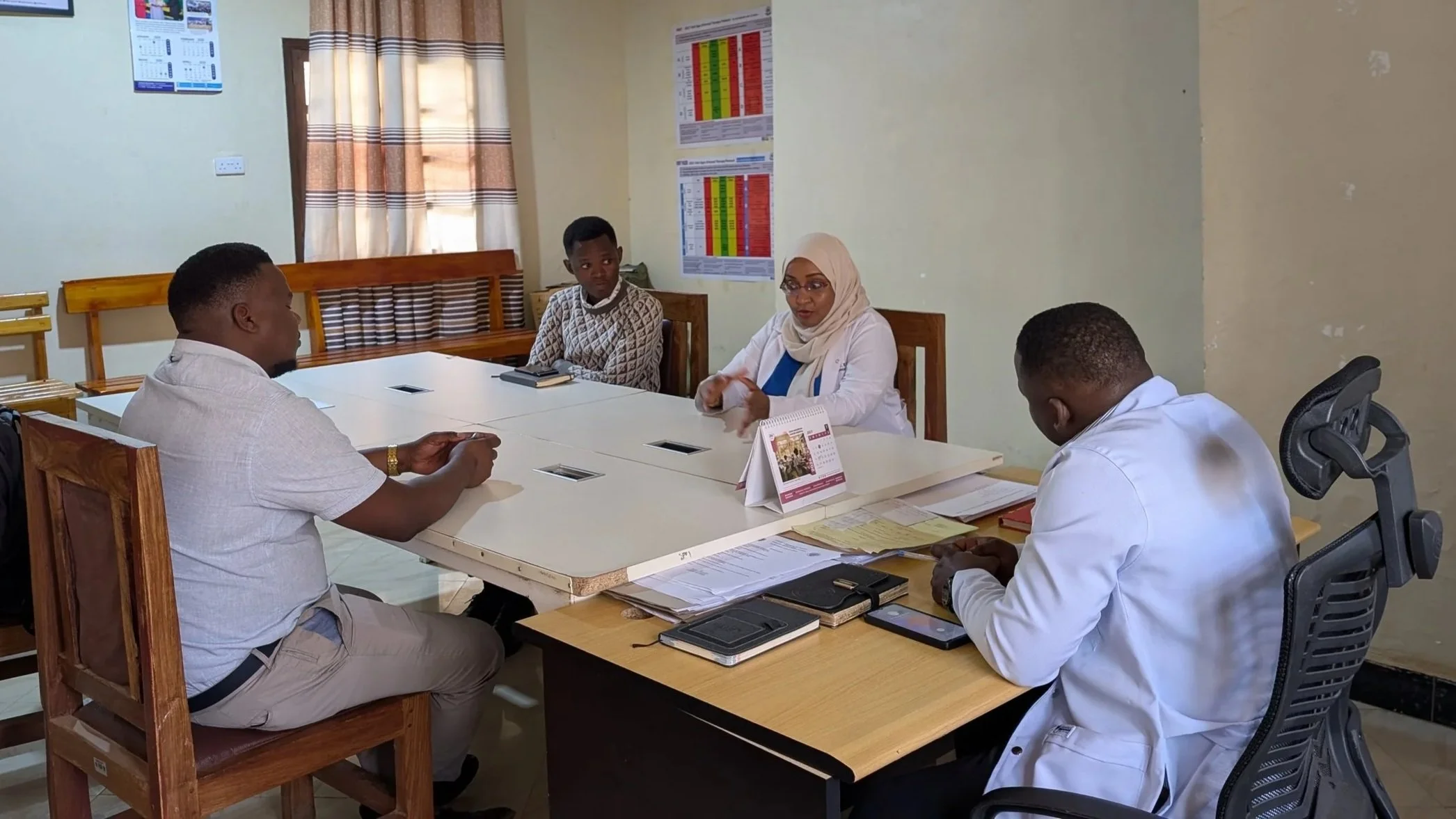
That impression was reinforced during my conversation with Dr John, the hospital's Medical Officer In-Charge. He described how new staff now receive EECC training as part of their induction and spoke confidently about continuing the work long after external implementation support has ended. His final reflection captured exactly what I had seen throughout the day: "It is starting to become part of the culture."
We often talk about sustainability in global health. A Gemba Walk is a good reminder of what sustainability actually looks like.
It looks like nurses confidently using simple tools. It looks like departments creating their own ideas to recognise good practice. It looks like leaders making EECC part of everyday hospital life.
To come full circle: the clearest evidence that change is lasting can’t always be found in a report. It's found on the ward.