
Hospital Deaths Fell by 31% After Implementing Essential Emergency and Critical Care in Tanzania
The EECC in Tanzania programme received the inaugural The Lancet–Elsevier Foundation Evidence to Impact Award, recognising outstanding implementation science that translates research into measurable improvements in patient care.
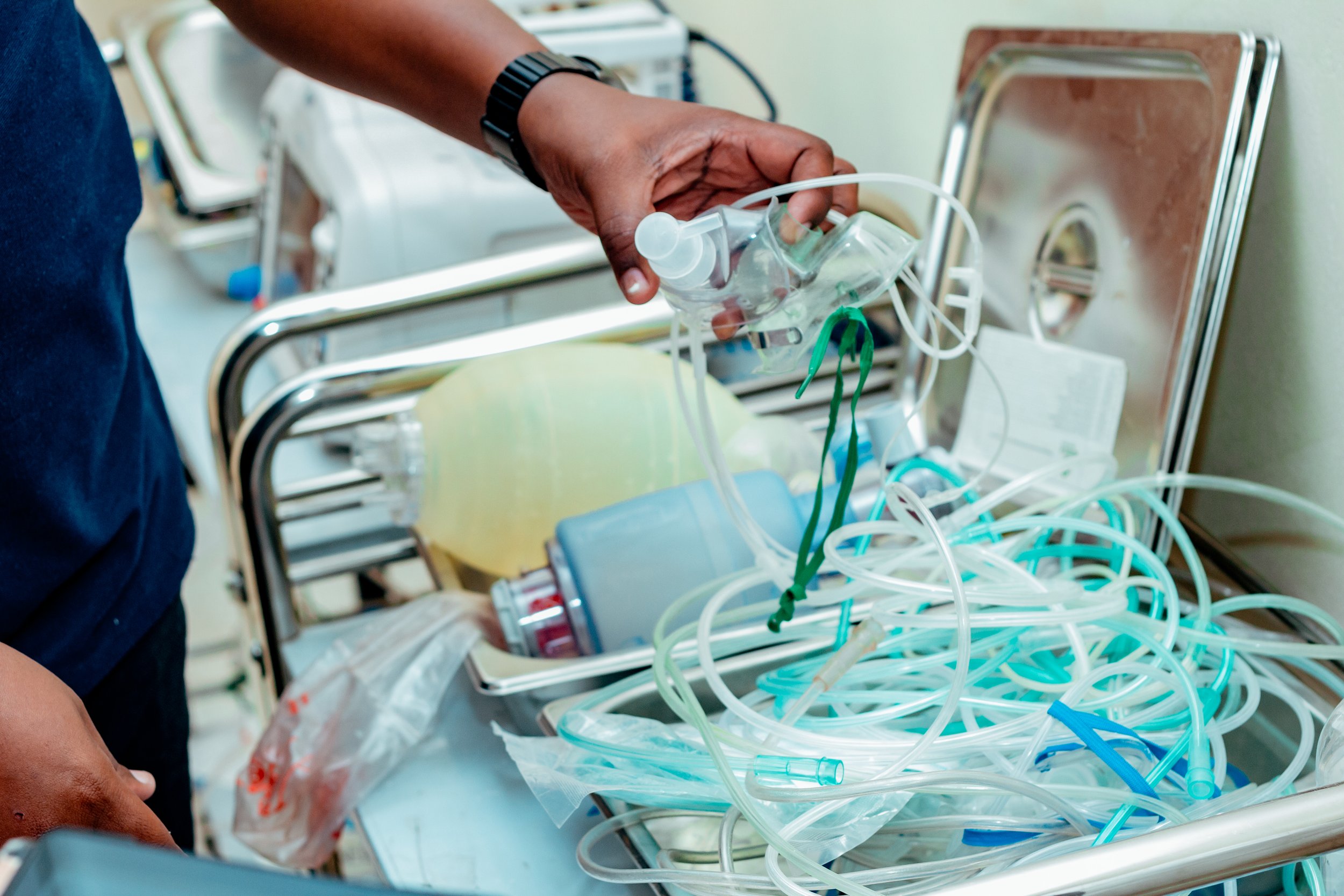
Essential Emergency and Critical Care (EECC) is a low-cost approach that ensures critically ill patients receive basic lifesaving care such as oxygen, intravenous fluids, close monitoring and timely treatment.
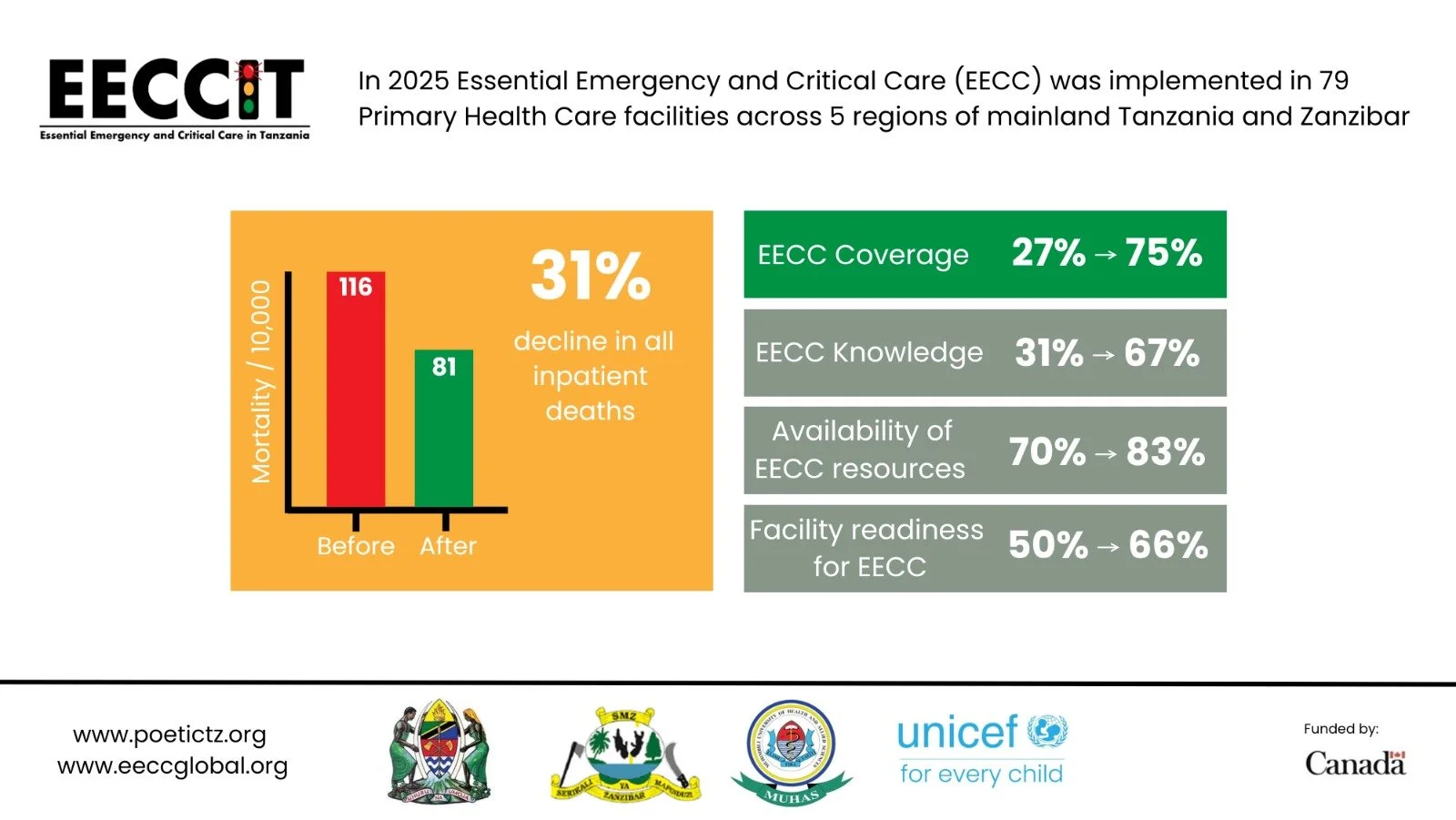
Following the government-led implementation of EECC in Tanzanian health facilities, a 31% reduction in all inpatient deaths was observed compared to the same months the year before.
Implementation
Essential Emergency and Critical Care has been implemented in primary health care facilities across five regions of mainland Tanzania and Zanzibar.
Implementation has focused on strengthening the delivery of basic care for critically ill patients through:
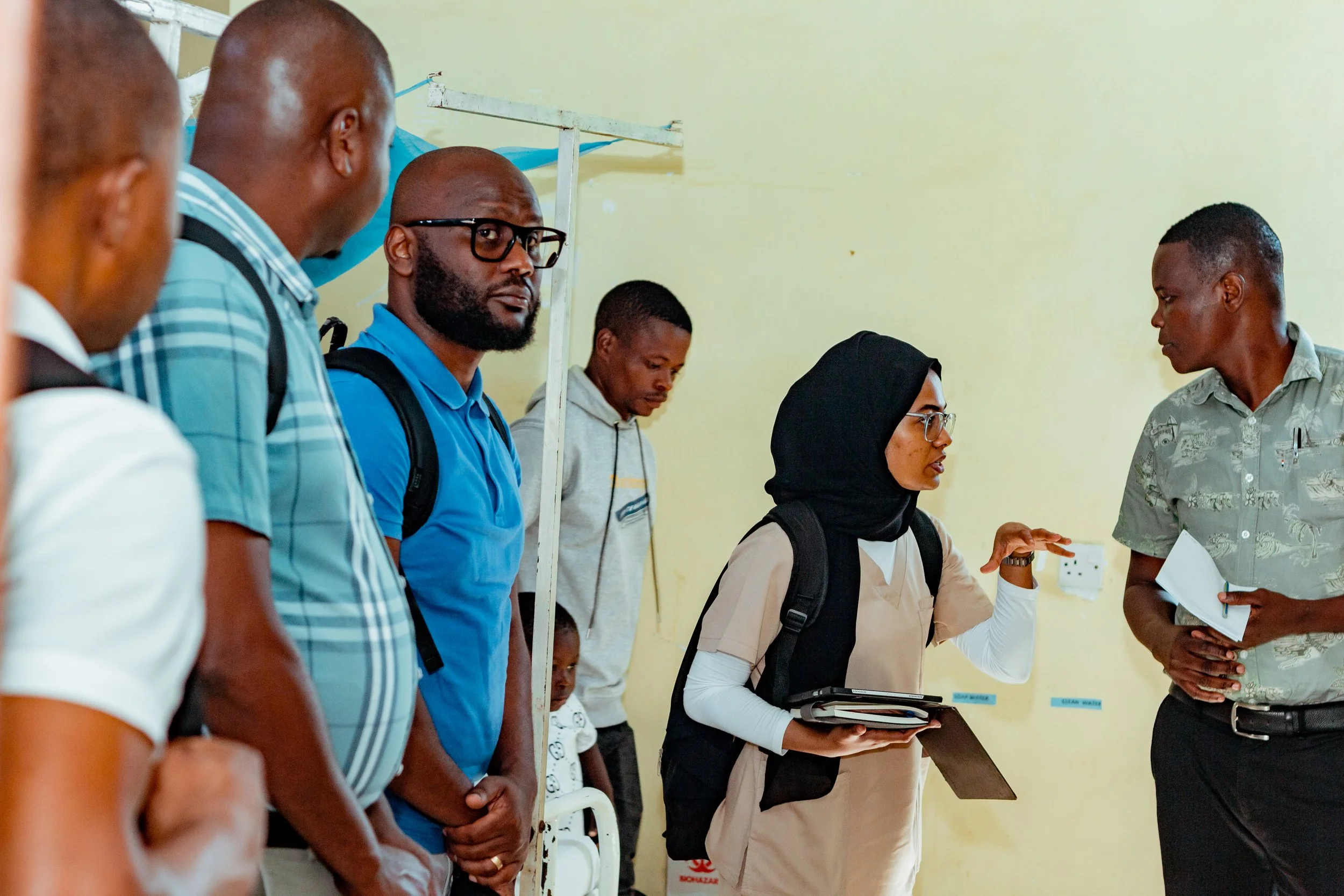
Training health workers in EECC
Capacitating health system leaders and managers
Introducing EECC clinical tools and job aids
Designating EECC focal persons in facilities
Improving availability of essential equipment and supplies
Continuous monitoring and feedback
More than 1,000 health workers and 200 health system leaders were trained, with EECC tools distributed across participating facilities.
Key Outcomes
After implementation of EECC, lower mortality and improved health system indicators were documented.
Mortality
31% decline in all inpatient deaths
Coverage of essential care
EECC coverage increased from 27% to 75%
Health system improvements
EECC knowledge among health workers increased from 31% to 67%
Availability and readiness of EECC resources improved
Health workers reported greater confidence in recognising and managing critically ill patients
Regions and facilities began using their own resources to expand EECC training and implementation
Implications
These results show that strengthening the delivery of basic care for critically ill patients can rapidly reduce hospital deaths.
Existing evidence already shows the need for EECC, and that it is low-cost, feasible to implement, and relevant to patients of all ages and diseases across all hospital settings.
The EECC implementation in Tanzania provides a blueprint that can be used in other countries for improving the care of all critically ill patients.
Learn more about the EECC implementation approach.
What happens next?
Following these results, the POETIC Tanzania team at Muhimbili University of Health and Allied Sciences (MUHAS), and EECC Global have developed recommendations for scaling and integrating Essential Emergency and Critical Care across Tanzania.
The recommendations include:
Integrating EECC into national health policies, guidelines and planning processes
Adopt EECC training as mandatory CPD for health workers
Strengthen EECC in pre-service health worker curricula
Integrate 5 key EECC indicators into HMIS and use the data to improve coverage
Scale EECC nationwide using the successful implementation model developed through EECCiT
These recommendations provide a roadmap for ensuring that every critically ill patient in Tanzania can access basic lifesaving care, regardless of where they are treated.
“There has been a significant reduction in maternal deaths since the EECC implementation began. There has been a marked decrease in the need for referrals, and we have only had one maternal death in the district hospital and none in the whole of a district council. This has never happened in history..”
— Dr Jonathan Ezekiel Budenu, Regional Medical Officer, Katavi
Essential Emergency and Critical Care in Tanzania is led by the Government of Tanzania and has been supported by Muhimbili University of Health and Allied Sciences (MUHAS), UNICEF, Global Affairs Canada through the CanGive initiative, and the Einhorn Foundation.