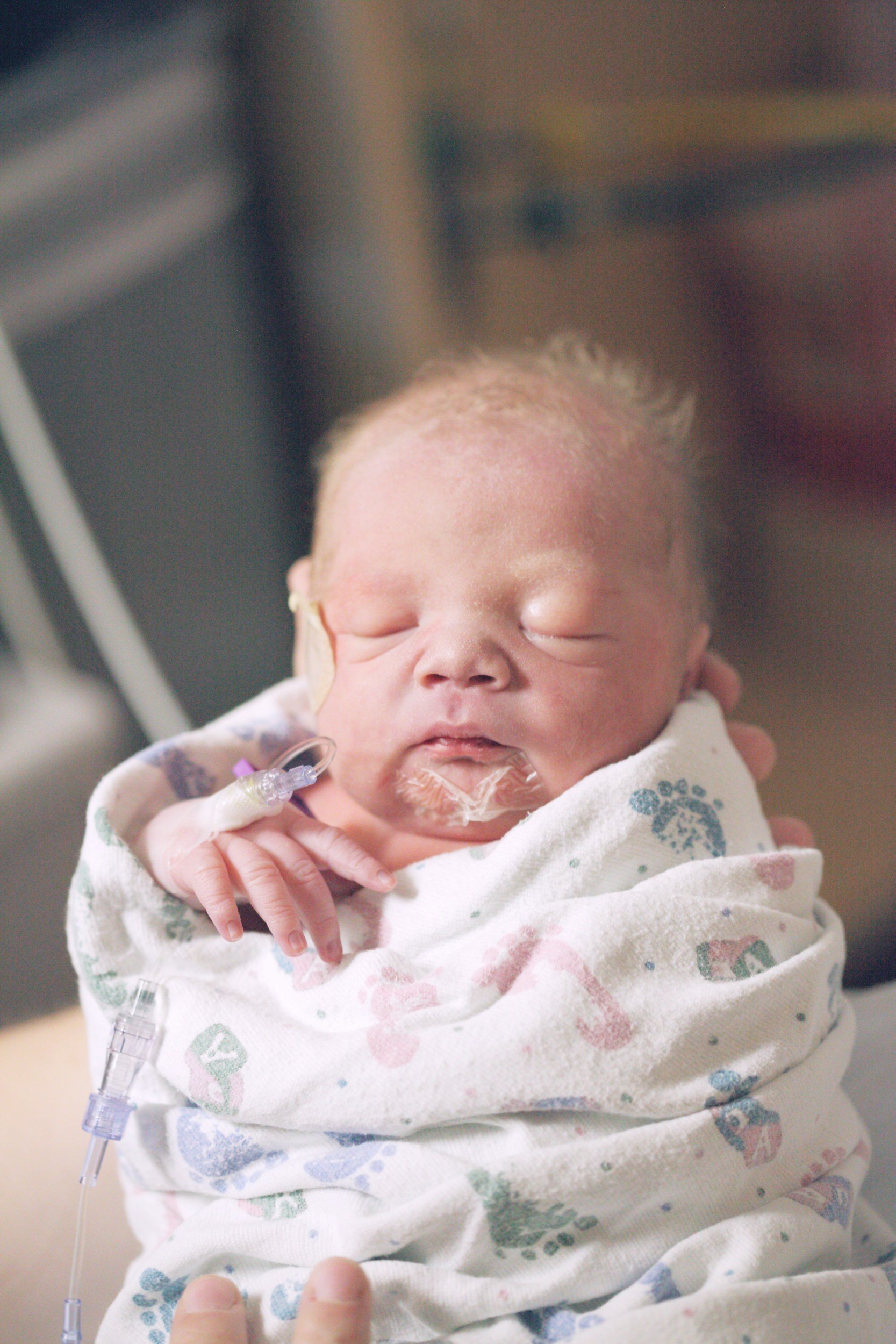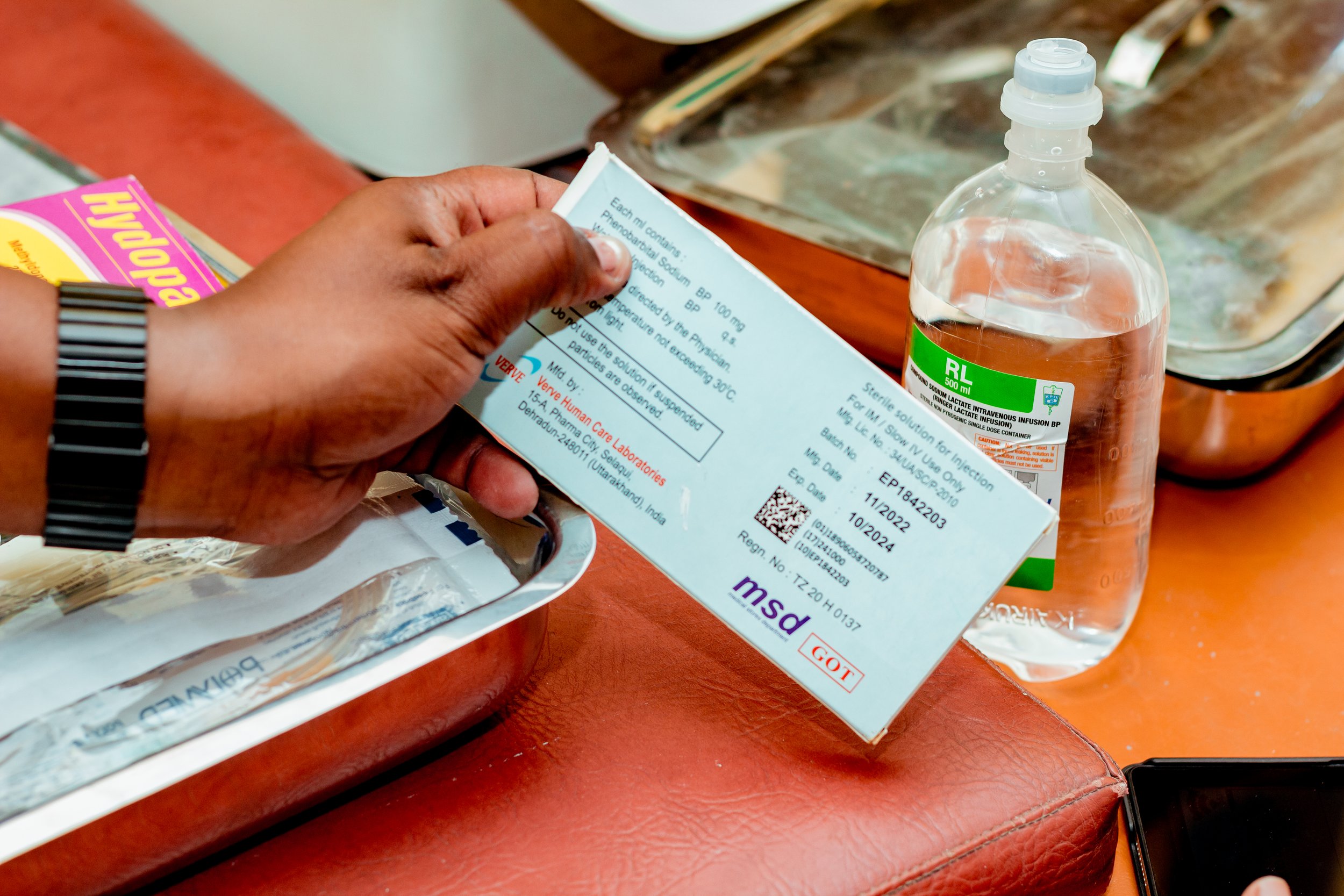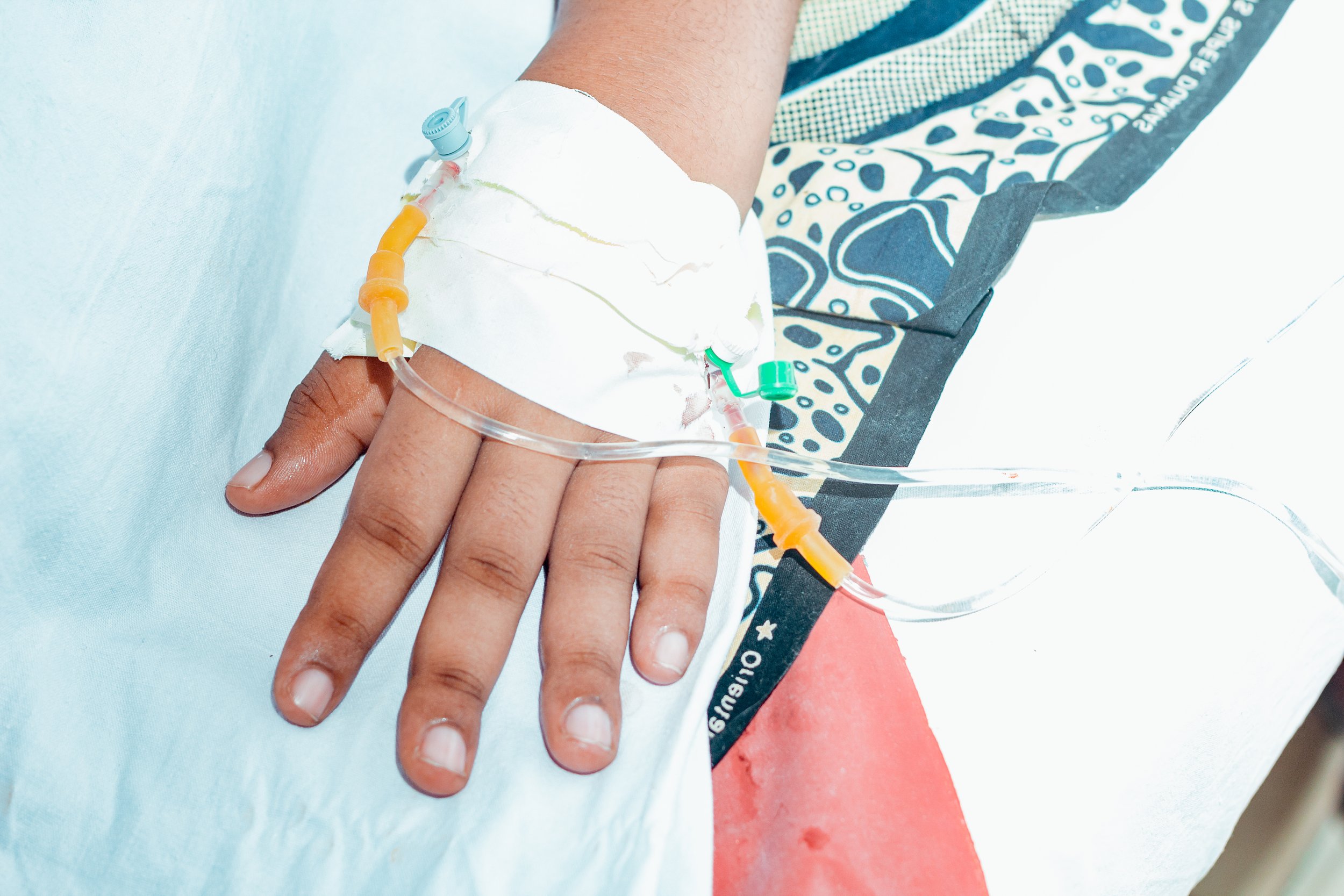
EECC is the care that should be provided to all critically ill patients in all hospitals
What is critical illness?
Critical Illness is a state of ill health with vital organ dysfunction, a high risk of imminent death if action is not taken and the potential for reversibility. Critical illness is the most severe form of all acute conditions.
Patients with any underlying condition can become critically ill – whether its an infectious disease, a pregnancy complication, a surgical condition, an injury or heart disease.
There are substantial deficiencies in the basic identification and management of critically ill patients in health facilities globally. In low-income countries, 90% of hypoxic patients fail to receive lifesaving fundamental critical care treatments. Well-funded hospitals in high income countries can have the same systems failure when, for example, a traffic accident victim receives world-class treatment in the operating theatre but dies on the ward overnight from unobserved shock or a blocked airway due to poor positioning.

Critical Care of Different Complexity
Critically ill patients have a high risk of imminent death. They need timely critical care to support failing vital organs. Critically ill patients are cared for in different locations in the hospital – the emergency unit, in operating theatres, ICUs and wards. Critical care can be provided at different levels of complexity in these locations. EECC is the first tier level of care for critically ill patients, and is feasible to task-share between health workers. It should be provided to patients regardless of medical specialty. Advanced critical care is the more complex, more costly care that is often provided in ICUs. All critically ill patients require EECC, and a sub-group of patients require the addition of advanced critical care.
Explore the 40 Treatments and Actions that make up EECC.

Why EECC Care Works
It’s Effective
Established or proven to be safe and to reduce mortality.
It’s Universal
Supports vital organ function rather than being the definitive care of a diagnosis.
It’s Feasible
Low-cost and low complexity. Possible to provide in a low-staffed, low-resourced setting without the immediate presence of a doctor.
How is EECC Implemented?
Discover how EECC Global works with governments, hospitals & health workers to implement EECC and improve care at scale.
The EECC Framework
EECC is divided into two key domains: identification and care. To identify a case and to provide care, “hospital readiness” (the necessary facilities or structures in the hospital) is required. Subsequently, “clinical practice” (the processes of care) is required. The product of the identification and care is the “effective coverage”, of EECC: the proportion of all critically ill patients in hospital who receive EECC at sufficient quality to impact outcomes.

How was EECC defined?
A global Delphi consensus process. 269 experts with clinical experience in different acute medical specialties from 59 countries and from all resource settings reached consensus on 40 clinical processes and 66 hospital readiness requirements needed for the identification and care of critically ill patients. You can read more about it in the BMJ.

The key features of EECC
It includes two domains
The identification and the essential care of critical illness. It is feasible in all parts of the hospital, and can be task-shared between doctors, nurses, and other health workers.
Feasible in all parts of the hospital
It is feasible in all parts of the hospital, and can be task-shared between doctors, nurses, and other health workers.
Simple & Effective
It is the most simple, effective treatments & actions that can save lives in critical illness: the “first tier” of care for critical illness
An effective bridge
It provides a means to bridge the commonly-found quality gap between current practice of care for critical illness and best-practice guidelines.
Supports Vital Organs
It is the care that supports vital organ functions, the universal care for all critical illness, irrespective of the patient’s age, underlying condition, or medical specialty. It is not the definitive care of the patient’s condition.
Needed Everywhere in the World
EECC is the simple life-saving care for critical illness that can be provided in a night shift in a specialist ward in a high income country and in a general ward of a district hospital in a low-income country.
Watch the Lecture
If you want to learn more extensively about EECC you can watch this lecture covering the general topic of Essential Emergency and Critical Care.
Tim Baker, President of EECC Global and Associate Professor at Muhimbili University of Health and Allied Sciences in Tanzania, Karolinska Institutet in Sweden and LSHTM and QMUL in the UK, delivers this accredited lecture on EECC with our partner Continulus.
Explore EECC
Understanding EECC is about more than reading a definition. Discover:
🩺 The 40 Treatments and Actions
Explore the simple, life-saving clinical interventions that make up EECC.
⚙️ How We Implement EECC
Learn how EECC Global works with governments and hospitals to improve care for critically ill patients.
❤️ Patient Stories
See how EECC is changing outcomes for critically ill patients around the world.
If all critically ill patients in the world received EECC then 1 million lives could be saved each year.