How we found gaps in essential critical care in Sweden
By Dr Anna Hvarfner, Training Lead, EECC Global.
When we talk about gaps in essential critical care, we often think first about hospitals where resources are severely constrained.
But critically ill patients can miss basic, life-saving care in wealthier health systems too.
Last week, I reached the halfway point in my PhD at Karolinska Institutet. My research centres on simple questions: how many critically ill patients receive the essential care they need, and what can be done to increase that number?
Around one in eight hospital patients is critically ill, and most are cared for on ordinary wards rather than in intensive care units.
Essential Emergency and Critical Care (EECC) is the basic care these patients should receive wherever they are being treated. It includes actions such as monitoring vital signs, providing oxygen when needed, basic airway management and giving intravenous fluids.
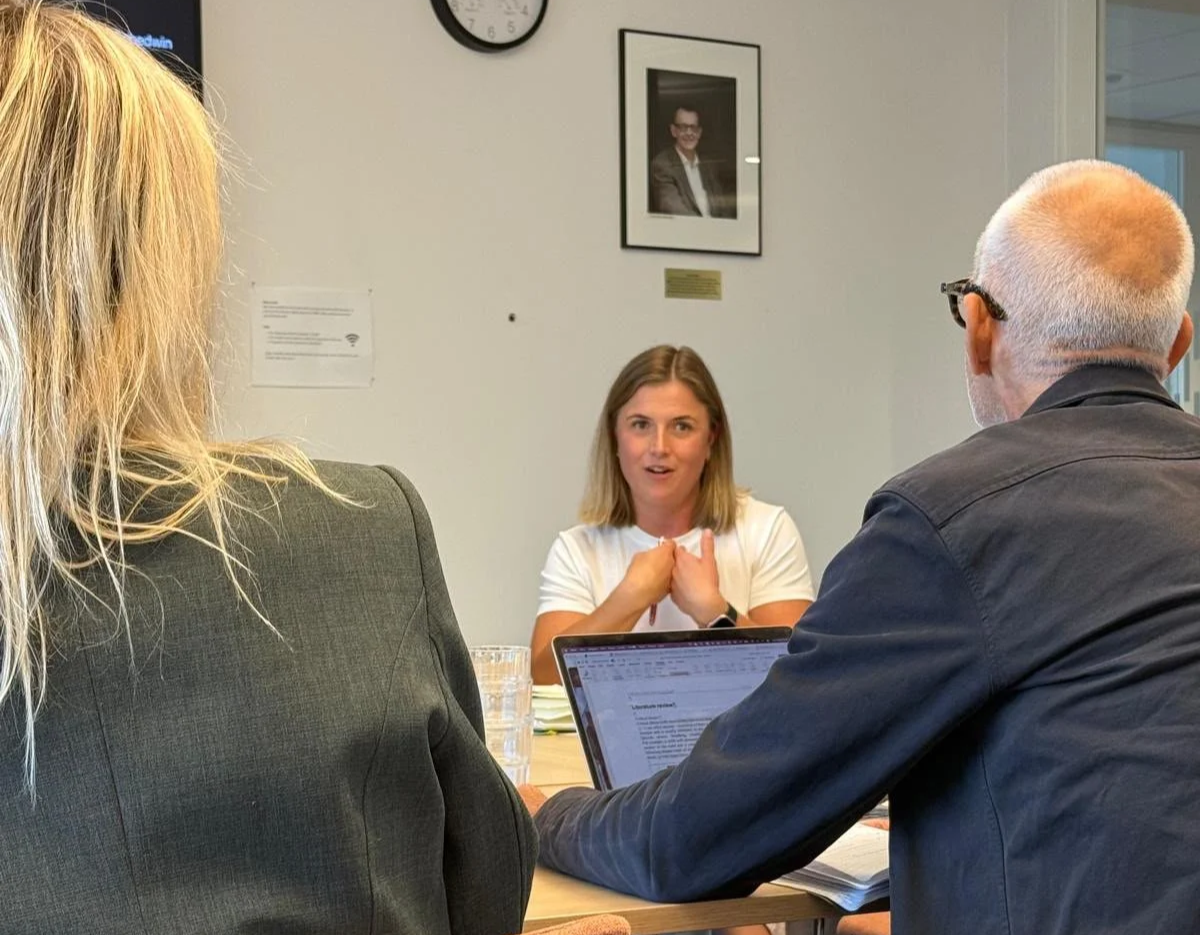
Anna during her ‘halfway’ PhD.
One of my PhD studies looked at how reliably this care is provided in Sweden.
Together with colleagues, we studied adult inpatients across four Swedish hospitals. In our draft findings, among 265 patients who were critically ill, 48% had an unmet need for at least one element of EECC. For example, 28% of patients with breathing failure were not receiving oxygen.
That is striking in a country with a well-developed healthcare system. Having sophisticated equipment, specialist staff and intensive care units doesn't necessarily mean every critically ill patient receives the essential care they need, when they need it.
We already know this is a major problem in lower-resource settings. The African Critical Illness and Outcomes Study found that 56% of critically ill patients across 22 African countries did not receive all the EECC they required.
Our study shows that gaps in essential critical care can exist in very different health systems.
So why do they occur?
The next part of my research focuses on the bottlenecks between recognising a critically ill patient and providing the care they need. We have developed a method to identify these bottlenecks and are currently applying it in hospitals in Tanzania (where I am now based), Uganda and Ethiopia.
The barriers will differ between health systems, and so will the solutions. But the goal is the same: to understand why critically ill patients miss essential care, and how we can close those gaps.