Why I believe EECC is the missing piece for our hospital
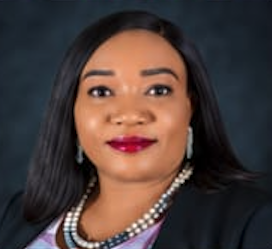
By Dr Irene Akhideno
Consultant Anaesthetist and Intensivist, Irrua Specialist Teaching Hospital, Nigeria
As clinicians, we often ask ourselves difficult questions when a patient dies.
Was the diagnosis correct? Was the operation successful? Were the right medications given?
Sometimes the answer to all of those questions is yes. And yet the patient still dies.
That was the starting point for a recent presentation I gave to colleagues at Irrua Specialist Teaching Hospital.
I asked them to imagine three familiar patients: a child admitted with pneumonia, a woman treated successfully for eclampsia, and a young man recovering from emergency surgery after a road traffic collision. Each received appropriate treatment for their underlying condition. Yet each deteriorated on the ward and died.
Why?
Perhaps the problem was not paediatrics, obstetrics or trauma care.
Perhaps the problem was that they became critically ill, and nobody recognised or managed that critical illness early enough.
That is the challenge Essential Emergency and Critical Care (EECC) seeks to address.
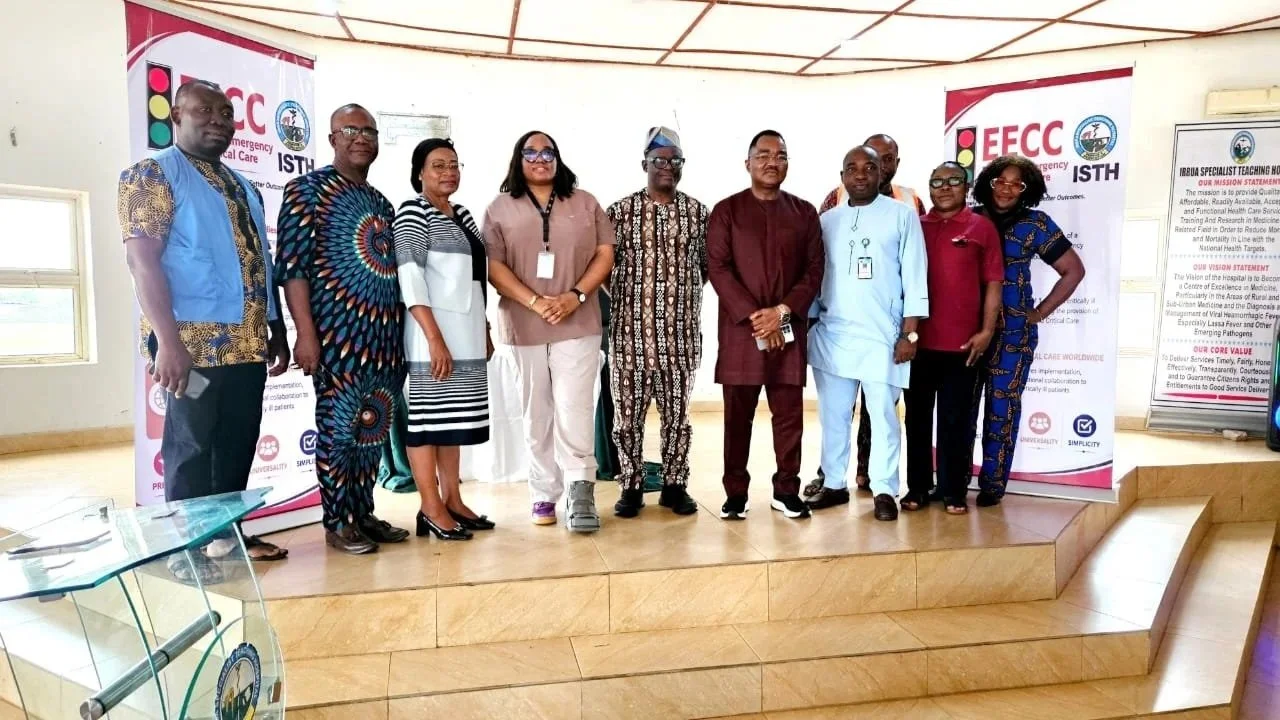
Dr Irene Akhideno, Prof Reuben Agbons Eifediyi and the leadership team
EECC is based on a simple idea: every critically ill patient, in every hospital, should receive a minimum standard of life-saving care. It is not about expensive technology or building more intensive care units. It is about recognising deterioration early, monitoring patients properly and ensuring that simple, evidence-based treatments are reliably available wherever patients are cared for.
This is especially relevant in hospitals like ours, where most critically ill patients are treated outside the intensive care unit.
The encouraging news is that improving this care does not always require major investment. Small, practical changes, such as assessing ward readiness, strengthening systems, improving access to essential equipment, introducing standard routines and training healthcare workers, can make a real difference.
That is why our hospital is beginning with a structured implementation plan, learning from the experience of countries such as Tanzania while adapting EECC to our own setting.
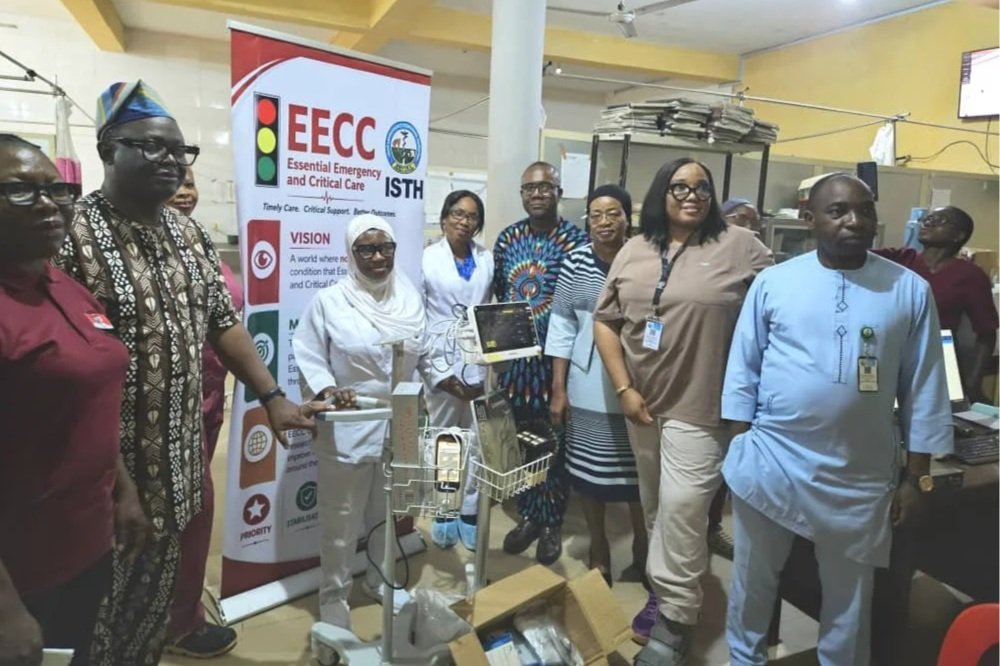
Prof Reuben Agbons Eifediyi, Dr Akhideno and the leadership team distributing essential equipment and consumables to the wards
This work would not be possible without strong leadership within the hospital. I am particularly grateful to Prof Reuben Agbons Eifediyi, Chief Medical Director of Irrua Specialist Teaching Hospital, whose support for introducing EECC has been instrumental. His commitment to strengthening the care of critically ill patients will be vital as we work with colleagues across the hospital to turn these ideas into everyday practice
For me, EECC is not another programme competing for attention. It is a way of ensuring that the care we already provide is supported by the essential actions every critically ill patient needs.
If we can recognise critical illness earlier, respond consistently and strengthen the systems that support frontline staff, we have an opportunity to prevent deaths that should never happen.