
From being trained to training others: building EECC in the DRC
By William Baraka
EECC Global Hub Coordinator, Democratic Republic of the Congo
Delivering an EECC training course is relatively straightforward. The harder question is: what happens when the trainers leave?
This matters particularly in the Democratic Republic of the Congo. With 26 provinces and huge distances between health facilities and communities, EECC cannot grow through repeated visits from external trainers. We need people within hospitals who can develop the skills and experience to continue the work themselves.
In Tanganyika Province, particularly around Kalemie, we have been working with several hospitals to find practical ways of doing this. Training includes simulation as well as classroom learning, with the approach adapted to the circumstances of individual facilities.
We have also established EECC focal points: members of staff within participating hospitals who can support colleagues, organise opportunities to practise, identify gaps and help others learn EECC.
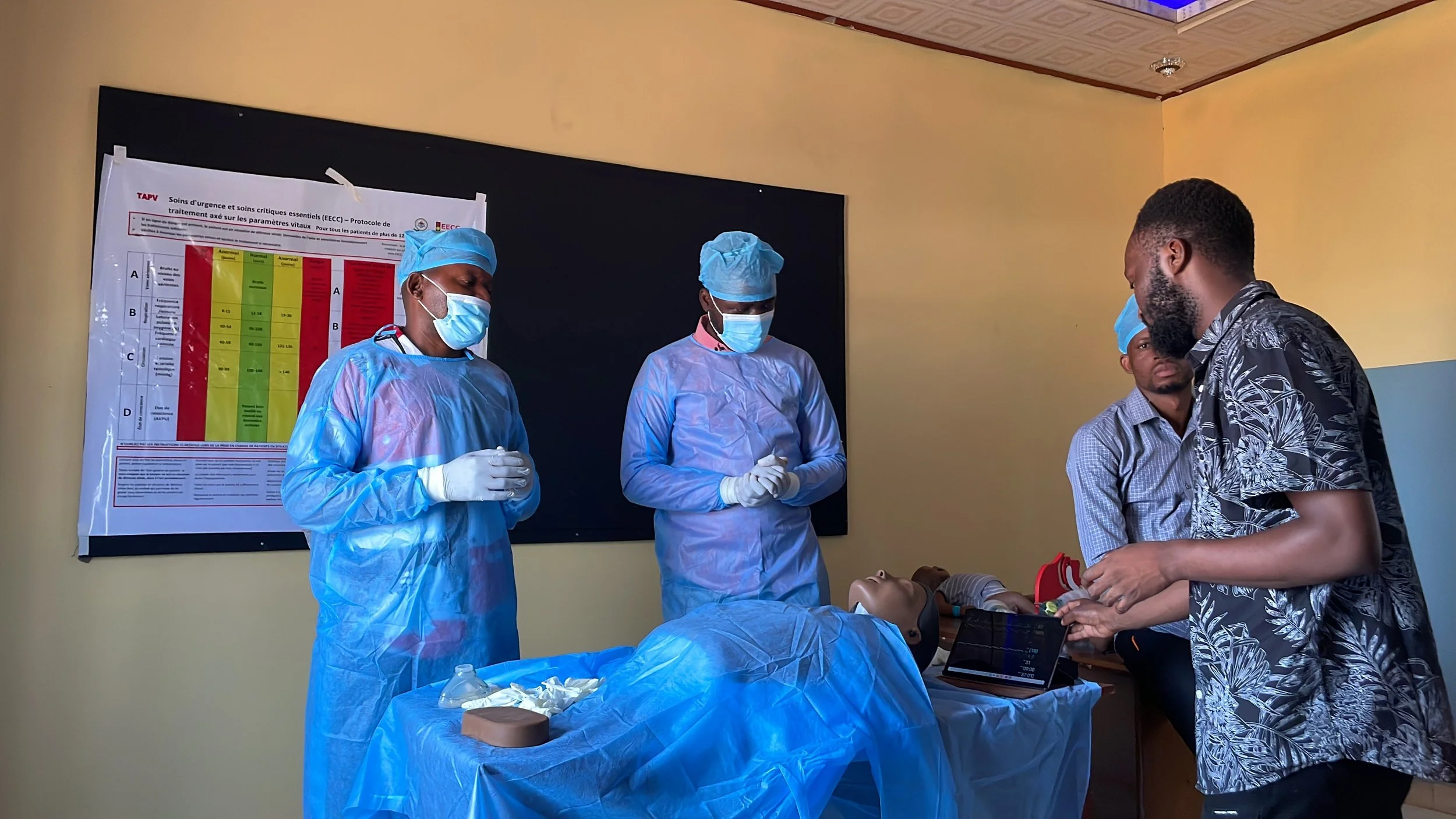
What has interested me is what happens after people begin applying the training in their own hospitals. They see which parts work well in their environment, where they encounter difficulties and what needs to be adapted. EECC becomes less about remembering what was taught on a course and more about how the hospital cares for critically ill patients every day.
We saw signs of that during our recent work in Kalemie. Some of the healthcare workers who had joined as participants were already thinking about how they could teach and support their colleagues. Instead of only asking what they needed to learn, they were beginning to ask what they could teach others.
That change matters in a country the size of the DRC.
Our work so far has concentrated on one part of Tanganyika Province. There are another 25 provinces, and simply replicating the same training programme across all of them would not be a sustainable model.
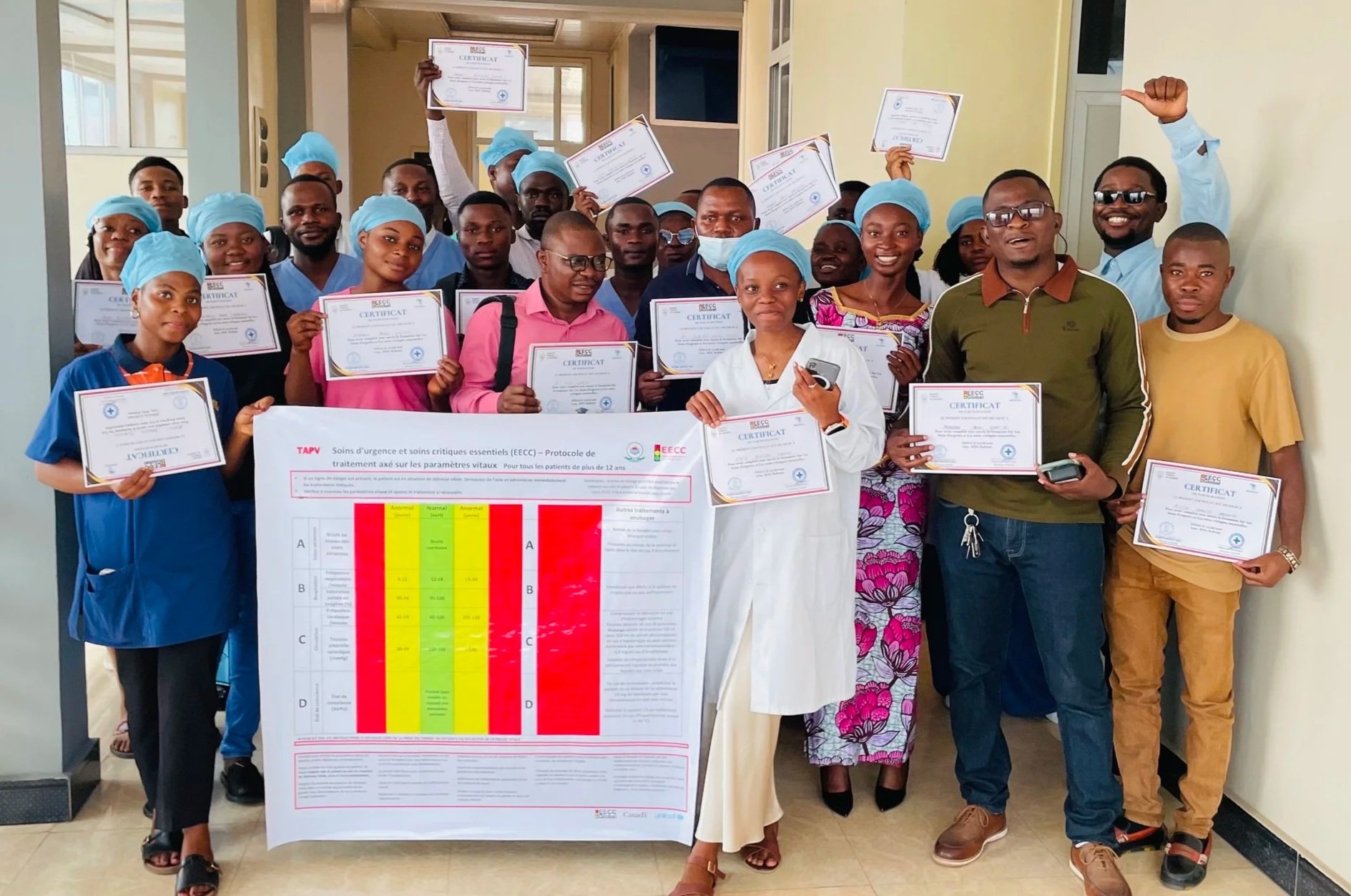
Instead, I would like us to learn from the experience in Tanganyika and gradually develop locally led EECC networks elsewhere. Each province could develop its own trainers and hospital focal points, connected to colleagues through a national EECC network.
The aim is not to keep sending trainers around the DRC. It is for healthcare workers in the DRC to have the skills and local networks to teach, support and learn from each other.