What if I could find 30 more people to champion EECC?
By Emily Tegnell
EECC Ambassador and organiser of the Gothenburg Champions workshop
–
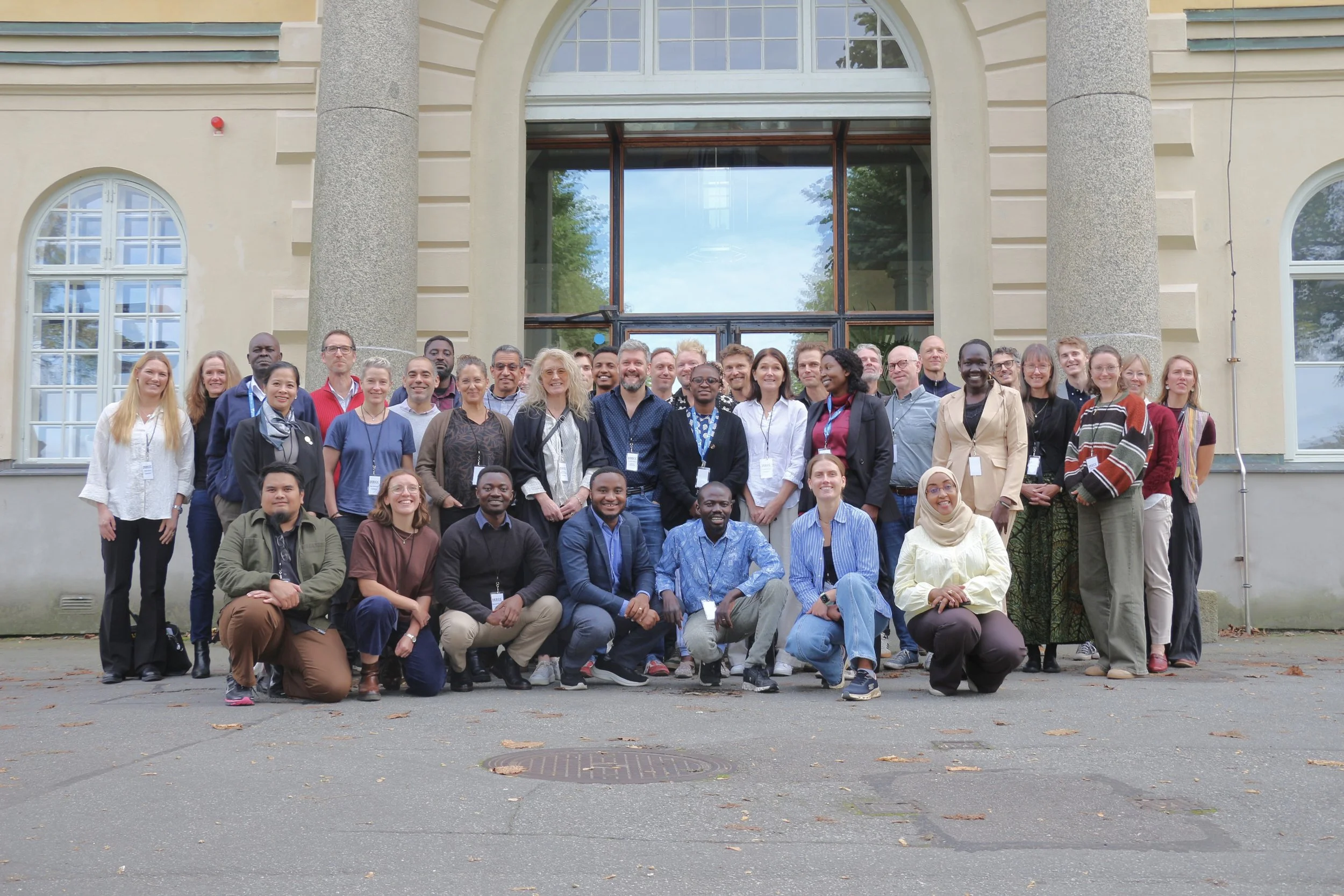
In October 2026, EECC Global brought together 33 healthcare professionals from eight countries for an EECC Champions workshop in Gothenburg, Sweden. Supported by nine faculty members, the three-day programme focused on helping participants advocate for and introduce Essential Emergency and Critical Care (EECC) in their own hospitals, organisations and health systems. Emily Tegnell, EECC Ambassador and principal organiser, reflects on the experience.
–
I've often wondered how much more we could achieve for critically ill patients if there were more people actively working to introduce Essential Emergency and Critical Care (EECC).
I can do my part, but what if I could somehow clone myself into 30 more people, all determined to improve care for critically ill patients? That was part of my motivation for organising the EECC Champions workshop in Gothenburg,
I attended a Champions workshop in Tanzania and came away convinced that there was something different about this approach. I've been to plenty of conferences and educational programmes, but this one had a particular focus on action.
Understanding EECC is only the starting point. We also need to understand how to change behaviours, work with existing structures and identify opportunities to influence care in our own hospitals, organisations and countries.
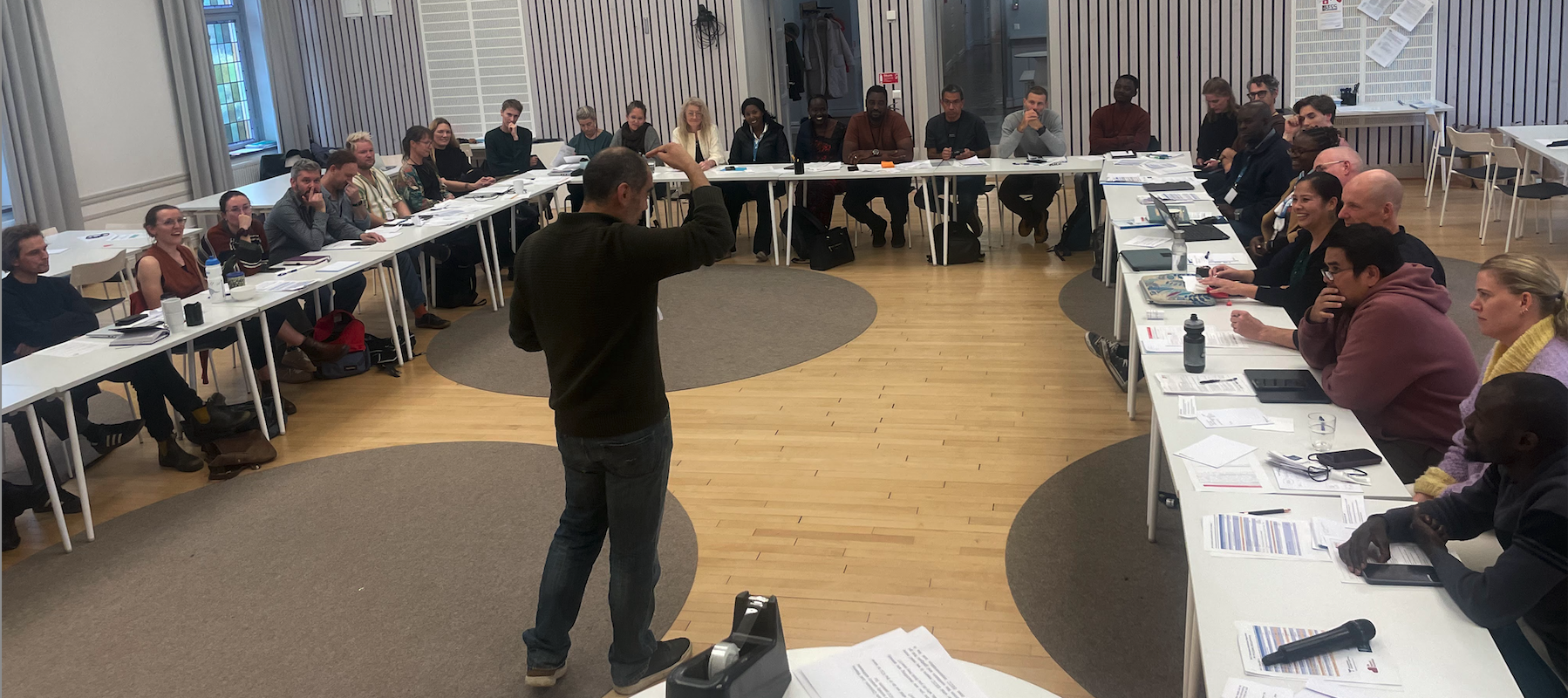
An EECC session in progress
One of the things I love about organising events is figuring out how all the pieces fit together. What information do people need? In what order? How do you create opportunities for people to learn from each other? This workshop brought that interest together with something I care deeply about.
There was one group that particularly moved me. Six participants from Zambia came with different but complementary roles: people involved in Ministry of Health decision-making, experience of implementing training programmes, a hospital director, clinical staff and someone preparing to research the implementation process.
They already had many of the ingredients needed to make EECC happen. The workshop gave them three days to learn together, develop their own action plans and work out how their efforts could fit together.
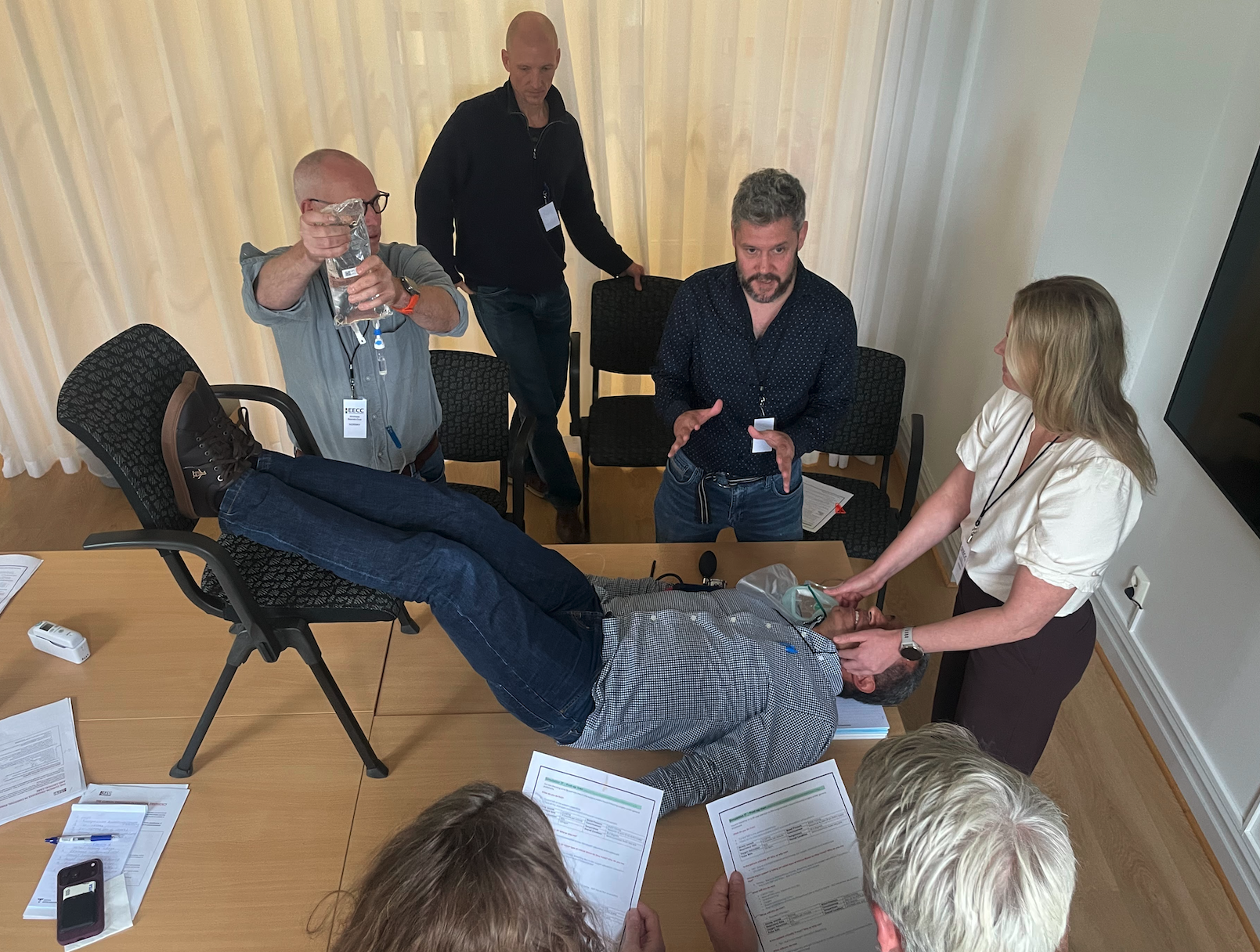
EECC Simulation Training
I was also pleased that our faculty included colleagues from Tanzania, Ethiopia and Chile. Bringing people from different health systems together creates opportunities for everyone to learn, including those of us working in high-income countries.
The feedback from participants has been encouraging, but the real test comes next. We plan to follow up after 30 days, six months and one year to understand what participants have been able to do with what they learned.
I hope we'll have plenty of stories to share. Because the purpose of bringing 33 people together wasn't simply to give them a good three days in Gothenburg. It was to help them do something useful when they got home.