
“When He Started Opening His Eyes, We Finally Felt Hope” – How EECC Saved Dailan After Drowning
“I was terrified when I saw my son struggling to breathe after he nearly drowned. But the moment we arrived, the nurses and doctor acted quickly.”
Eighteen-month-old Dailan Mwawela had been playing near a pool of water with his younger sister when he fell into the water and nearly drowned. By the time his family reached the district hospital in Tanzania’s Southern Highlands, he was barely conscious, breathing with difficulty, and had secretions filling his mouth.
At the emergency room, nurses and a doctor trained in Essential Emergency and Critical Care (EECC) recognised immediately that Dailan was critically ill. He was drowsy, responding only to painful stimuli, breathing rapidly, cold to the touch, and his oxygen level was dangerously low. With reduced consciousness, he could no longer protect his own airway.
The team acted at once. Using the suction machine available in the emergency room, they cleared secretions from his mouth to open his airway. Oxygen was started through the concentrator, intravenous access was secured, and fluids containing dextrose were given. Blankets were wrapped around his small body to raise his temperature. Throughout, his vital signs were monitored closely.
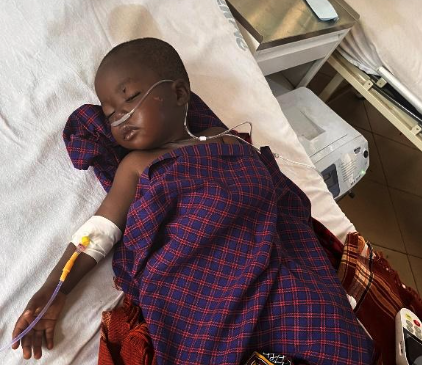
Dailan receiving oxygen therapy alongside with intravenous fluids in the pediatric ward
“When Dailan arrived, he was critically ill with reduced consciousness and severe breathing problems,” said Dr Rachel, the emergency doctor on duty. “We immediately cleared his airway, gave oxygen, and started IV fluids. Having the right equipment ready allowed us to stabilise him quickly.”
On reassessment, there were early signs of improvement. Dailan’s breathing became calmer and his oxygen levels began to rise. He was admitted to the paediatric ward for continued observation and care. He still needed oxygen at first; nurses reassessed him regularly, ensuring his airway stayed clear and adjusting care as his condition changed.
Over the next two days, Dailan continued to improve. His oxygen levels normalised, he became fully alert, and he no longer needed oxygen support. He was discharged home in good health, reunited with his relieved family.
“We saw our son improving little by little,” his father said. “When he started opening his eyes, we finally felt hope. I am deeply grateful to the team and the hospital for saving his life.”
Because Dailan’s level of consciousness was reduced, he could not protect his own airway. Secretions quickly built up in his mouth, a dangerous situation that can lead to rapid deterioration if not managed immediately. Dailan’s survival shows how early recognition, basic equipment, and coordinated action can prevent tragedy.
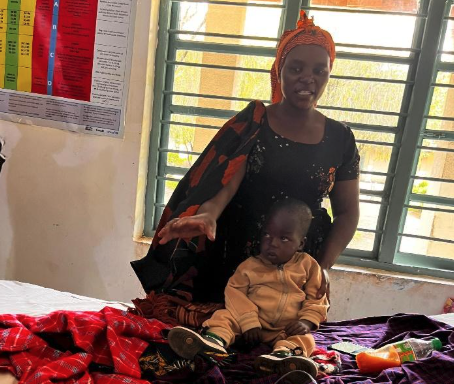
Dailan ready to go back home with his family
As EECC continues to strengthen emergency care, more children like Dailan will be given the chance to recover, return home, and continue their lives with their families.