

Welcome to the EECC Global Blog

“I Began to Lose Hope—But They Saved My Son” – How EECC Helped Salimu Survive Drowning
When 13-year-old Salimu nearly drowned, he arrived at hospital gasping for breath and critically low on oxygen. Thanks to EECC-trained staff who acted immediately with oxygen therapy and antibiotics, he recovered fully—and returned home ready to go back to school.

Rethinking the Epidemiology of Critical Illness: Beyond ICUs and Diagnoses
Critical illness affects one in eight hospital patients, yet most are outside ICUs. Schell’s physiology-based approach shows it is common, deadly, and system-wide. Recognising this burden is essential for clinicians, researchers, and policymakers to improve survival through Essential Emergency and Critical Care.
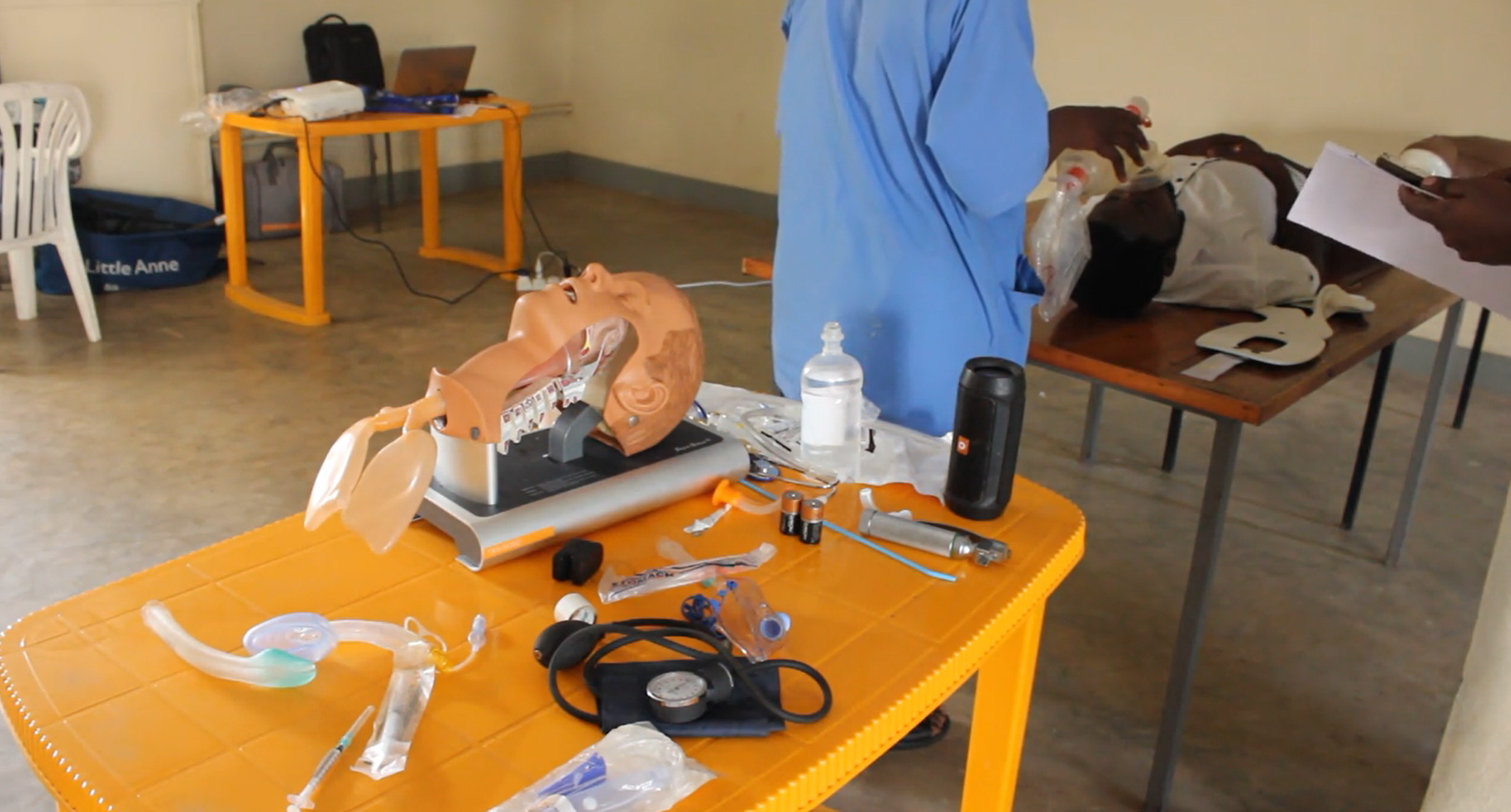
Strengthening Critical Care in Burundi: Building from Respiratory Care to a Full EECC Approach
The Burundi EECC National Hub is strengthening respiratory care through a new nurse mentor program, while embedding it within the full EECC framework — ensuring patients benefit from vital signs monitoring, fluid resuscitation, and other simple, life-saving interventions.

World Oxygen Day: Why Oxygen Must Be at the Heart of Essential Emergency and Critical Care
Oxygen is one of the simplest, most essential medicines, yet 5 billion people still lack reliable access. On World Oxygen Day, we highlight why oxygen must be at the heart of Essential Emergency and Critical Care to save lives.

“Isn’t It Gratifying to Serve Humanity?” – A Paramedic’s Story of Saving a Life with EECC
On a rainy Nairobi night, paramedic Dennis found an unconscious hit-and-run victim bleeding in the road. Using Essential Emergency and Critical Care—oxygen, fluids, bleeding control, and teamwork—he stabilised the man, who later recovered. Simple, rapid action turned crisis into survival.

Sepsis and the Case for Essential Emergency and Critical Care
Sepsis kills 11 million people each year, but many deaths are preventable. On World Sepsis Day, EECC Global highlights how simple, low-cost actions—oxygen, fluids, antibiotics, and vital signs monitoring—can save lives in any hospital, anywhere.
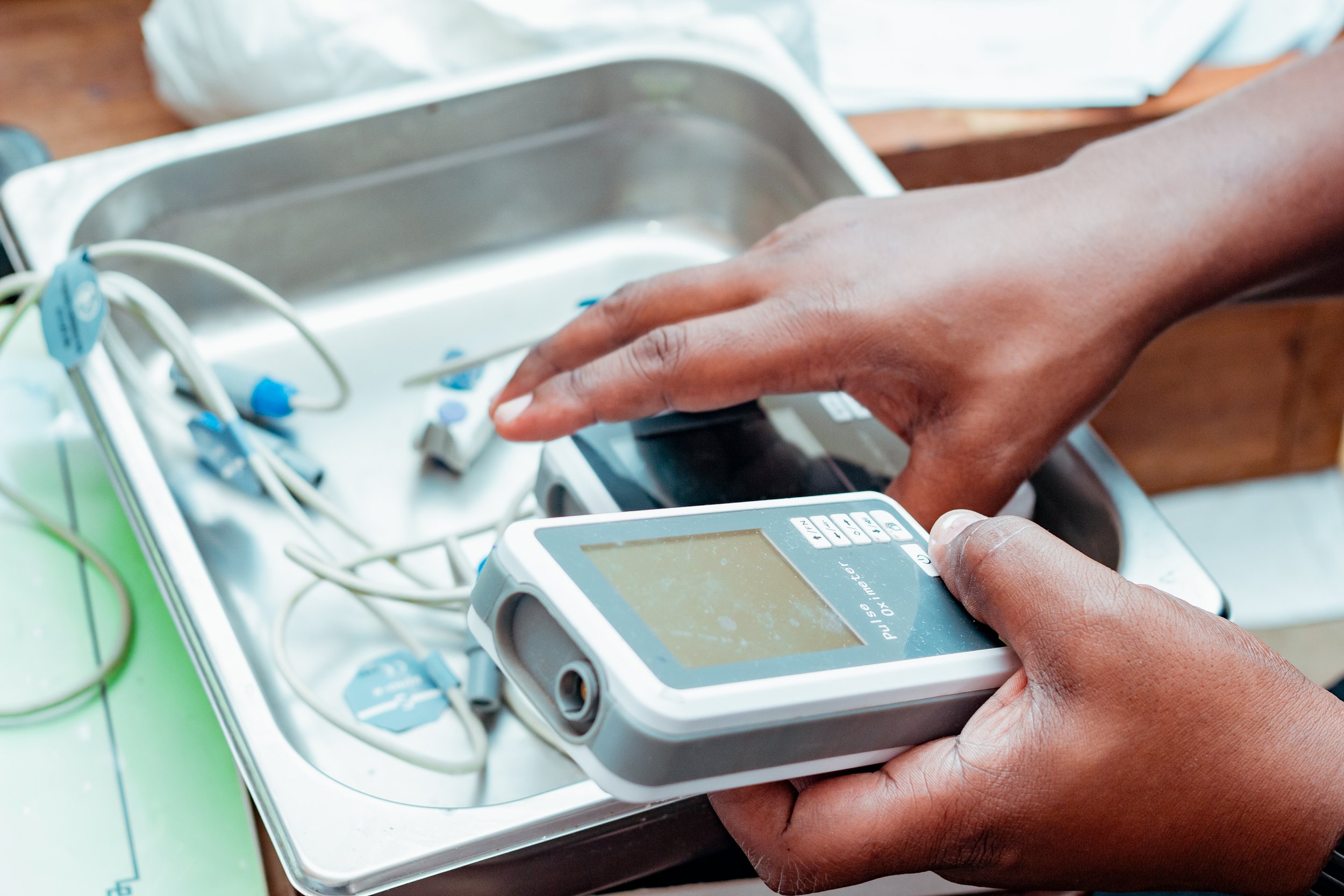
Life-Saving Basics: What Every Hospital Needs for Essential Emergency and Critical Care (EECC)
Essential Emergency and Critical Care (EECC) is a package of simple, proven actions every hospital should deliver — from oxygen therapy to monitoring vital signs. By making these basics universal, we can save countless lives and prevent patients deteriorating unnecessarily.

The Hidden Crisis in Hospitals: Why Most Critically Ill Patients Aren’t in ICUs
Most critically ill patients aren’t in ICUs but in general wards, where warning signs are often overlooked and vital treatments missed. Essential Emergency and Critical Care (EECC) provides simple, proven actions that ensure patients receive the life-saving basics when they need them.

From Silent Struggle to Survival: Afikiwe’s Recovery with EECC
When Afikiwe arrived at hospital unconscious and struggling to breathe, EECC-trained staff acted fast—giving oxygen, fluids, and airway care. Their quick action stabilised him, and after a week of treatment, he fully recovered and returned home safely.

From Crisis to Recovery: How EECC Saved Rozalia and Her Newborn Twins
Rozalia suffered life-threatening bleeding just hours after giving birth to twins. EECC-trained staff acted fast with fluids, oxytocin, and uterine massage, stabilising her in time. Thanks to timely essential care, Rozalia recovered fully and returned home safely with her babies.

Found Unconscious by the Roadside: How EECC Saved Ally’s Life
When Ally was brought to hospital unconscious, EECC-trained staff acted immediately—opening his airway, giving oxygen, and correcting his blood sugar. These quick interventions stabilised him, and he recovered. Thanks to EECC, Ally survived and returned home safely.

A Breath of Hope: How EECC Helped Save Patricia’s Life
When Patricia arrived at hospital critically ill, EECC-trained staff acted fast. With oxygen and IV fluids, they stabilised her breathing and blood pressure. Thanks to timely, essential care, Patricia recovered from a life-threatening lung infection and returned home safely.

Breathing Again: How EECC Helped Save Alex from Critical Illness
When Alex arrived at hospital struggling to breathe, EECC-trained staff quickly gave oxygen and fluids to stabilise him. He was later diagnosed with liver failure and referred for further treatment. Thanks to EECC, Alex recovered—and his life continues.

From Crisis to Recovery: How EECC Helped Save Amina’s Life
When Amina arrived at hospital in shock from heavy bleeding, EECC-trained staff acted quickly. IV fluids and fast intervention stabilised her. Thanks to timely, essential care, Amina recovered and returned home to her child—another life saved through EECC

"It Will Help Us Save Lives": Health Workers Praise EECC Training
Health workers across Tanzania are praising EECC training for equipping them with simple, life-saving skills. From better airway management to timely follow-up care, the course is helping nurses and clinicians deliver critical care—even without access to intensive care units.

A Life Saved in Minutes: How EECC Helped Baby Dayana Breathe Again
When baby Dayana arrived at hospital struggling to breathe, a nurse trained in Essential Emergency and Critical Care (EECC) acted fast. Oxygen and antibiotics stabilised her. Thanks to quick action and simple care, Dayana recovered fully and returned home smiling.

Fast Action After Childbirth: How EECC Helped Save Diana’s Life
After giving birth, Diana began bleeding heavily and went into shock. Trained health workers used the Essential Emergency and Critical Care (EECC) approach to stabilise her quickly. Thanks to timely action and simple interventions, Diana survived—and went home to her family.

A Baby’s Life Saved by Simple Emergency Care: Deborah’s Story
When baby Deborah struggled to breathe, a trained nurse using Essential Emergency and Critical Care (EECC) acted fast. With oxygen, careful positioning, and teamwork, Deborah recovered from severe pneumonia. EECC saved her life—simple care, delivered at the right time.

From Struggling to Breathe to Safe at Home: How EECC Helped Save Nickson’s Life
When Nickson arrived at hospital struggling to breathe, EECC-trained nurses acted fast. Oxygen therapy and careful positioning helped him stabilise. Further care revealed heart failure, which was treated. Thanks to timely EECC interventions, Nickson recovered—and returned home to his family.

EECC Highlighted at Tanzania’s National Medical Congress
At Tanzania’s National Medical Congress, Dr Isaac Maro highlighted how Essential Emergency and Critical Care (EECC) can strengthen health systems. Drawing on ACIOS findings, he showed how simple, life-saving care can improve resilience, accessibility, and outcomes across the country.